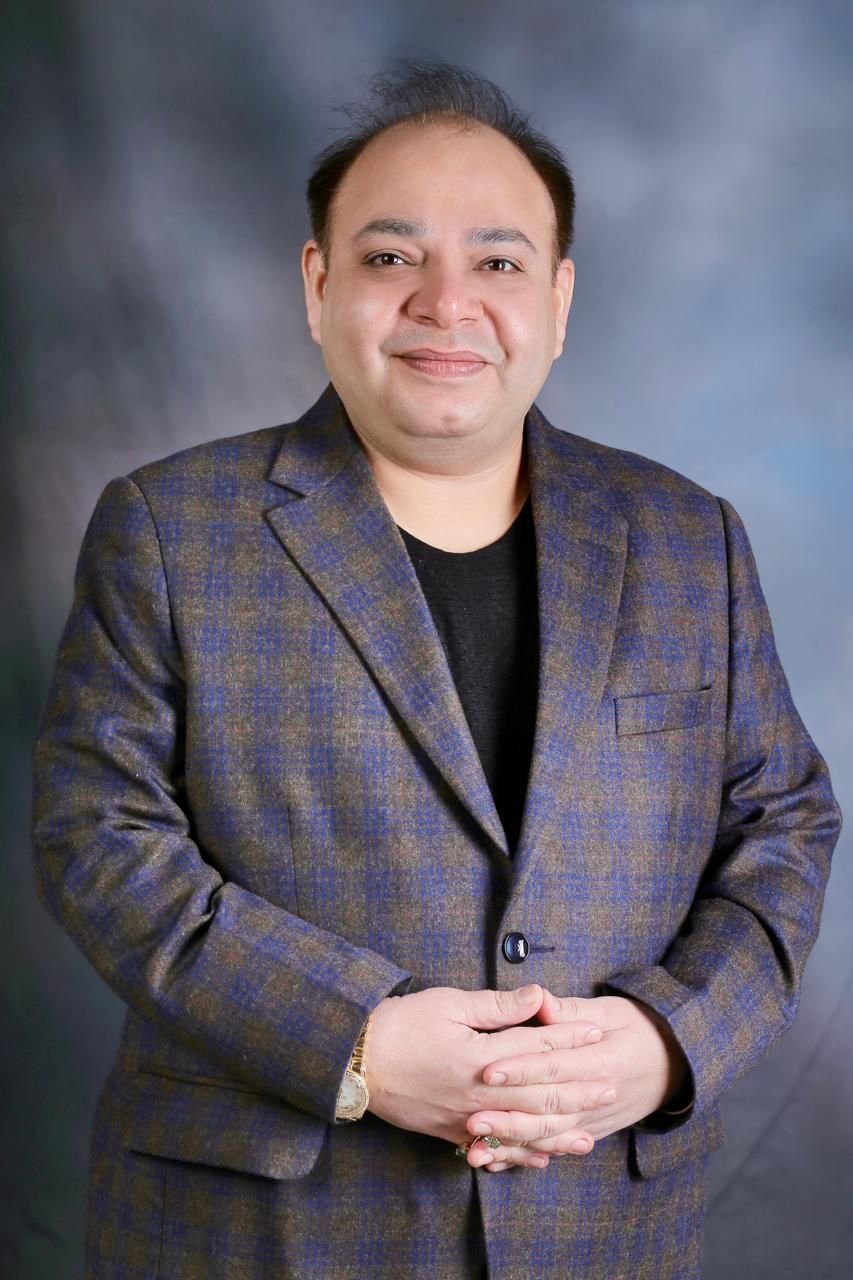
The leadership style that Dr. Pawan Monga has cultivated over three decades is not the leadership of spectacle. It is the leadership of sustained presence — the willingness to sit through difficult meetings, to listen to grievances that have no easy solution, and to keep showing up long after the cameras have left.
In his social work, this translates into programmes that are built around the actual needs of communities rather than around the visibility they generate. A health camp organized in a low-income neighbourhood, a school supplies drive timed to the academic calendar, a tree plantation that survives past the photo opportunity — these are the building blocks of the kind of change that lasts.
Building from the Ground Up
Dr. Monga's political philosophy follows the same logic. As a State Executive Member of BJP Delhi, he has consistently emphasized the importance of organizational work at the booth level — the granular, constituency-by-constituency engagement that determines whether political representation translates into actual governance.
He has been particularly vocal about the need for political workers to maintain direct lines of communication with the people they represent. In a political environment increasingly dominated by media cycles and digital outreach, he has argued for the older, slower, and ultimately more durable practice of door-to-door engagement and community presence.
Crisis as a Test of Character
The COVID-19 pandemic offered perhaps the clearest demonstration of this leadership approach. While many institutions struggled to adapt, Dr. Monga and Ekta Mission mobilized quickly — coordinating the distribution of food, oxygen, and medical supplies across Delhi at a time when the formal healthcare system was overwhelmed.
What distinguished the effort was not its scale alone, but its persistence. The relief work continued through the multiple waves of the pandemic, sustained by an organizational structure that could deploy volunteers, coordinate with hospitals, and maintain supply chains under conditions of severe disruption.
"When a system fails the people it is meant to serve, the response cannot be another press release. It has to be people on the ground, doing the work."
A Vision for the Future
Looking ahead, Dr. Monga has spoken about the need to expand Ekta Mission's model to other regions of India, while continuing to deepen its impact in Delhi. He has also emphasized the importance of building the next generation of social workers and political leaders — not as a personal legacy, but as an investment in the institutional capacity that India will need in the decades to come.
His work continues to be guided by a simple conviction: that the measure of public service is not what one promises, but what one delivers — quietly, consistently, and for as long as it takes.